
Supported Independent Living, Explained Simply
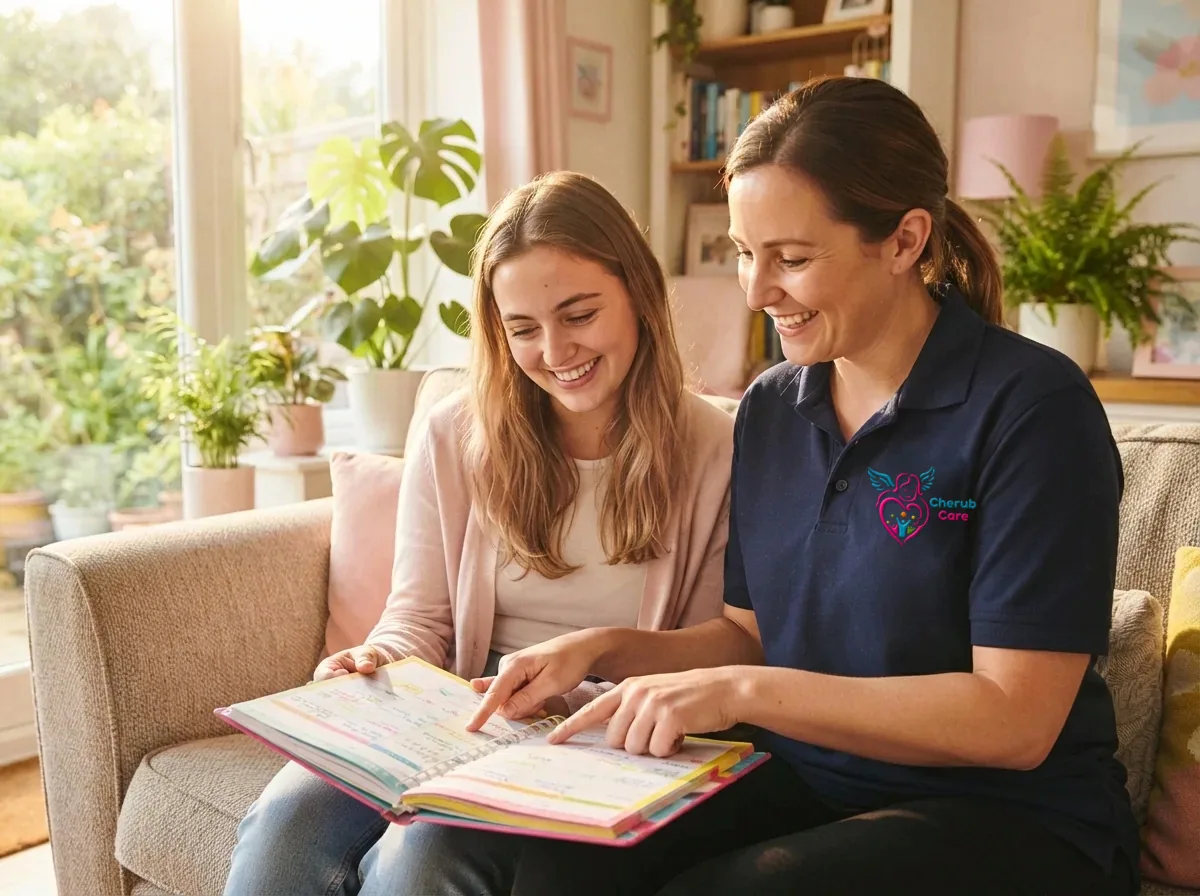
Supported Independent Living, usually shortened to SIL, refers to support provided in a participant's home to help with daily tasks, personal care and building life skills. It's most relevant for people with higher support needs who want to live as independently as possible, either alone or with housemates.
SIL funding and arrangements are individual — some participants need overnight support, others need a few hours each day, and the right mix depends on personal circumstances. This is usually worked out during NDIS planning, often with input from a support coordinator or the provider delivering the support.
One common misconception is that SIL is only for shared living arrangements. In reality, SIL can apply whether you live with others or on your own, depending on what's agreed in your plan. If you're exploring SIL for the first time, it's worth having a detailed conversation with both your planner and a provider experienced in this type of support.
More resources

Understanding the NDIS: A Practical Starting Point
New to the NDIS? Here's a plain-language overview of how the scheme works and where to find reliable, up-to-date information.

How to Choose an NDIS Provider You Can Trust
Choosing a provider is a big decision. Here are practical questions to ask before committing to ongoing support.
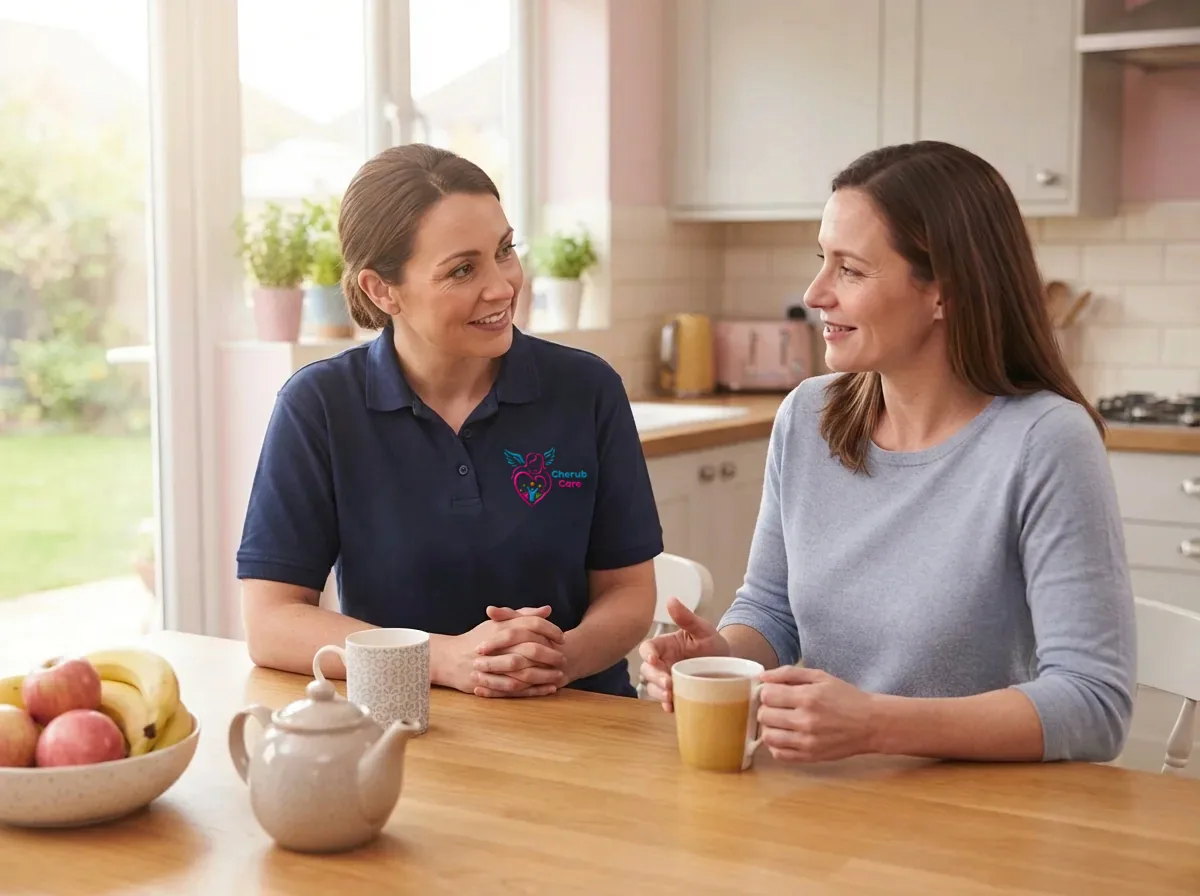
Preparing for Your First Support Meeting
A little preparation can make your first conversation with a provider more useful for everyone involved.
Want to talk this through?
Reach out and we'll help you apply this to your own circumstances.